
AI / Innovation
This isn't about using AI to make design work faster. It's about using AI to fundamentally change what a single designer can architect, build, and ship.
Live AI Products
Apps I've launched as 0-1 builds
Live AI Video Effects and Virtual Try-Ons
Built as a zero-to-one solo project and launched as a macOS app and Chrome extension, engineered with Cursor and Xcode.
Agent OC
Your own AI personal assistant, always on call — calls, emails, researches, and handles everything so you don't have to.

Booya-Agents.com
Your personal team of AI design swarm agents
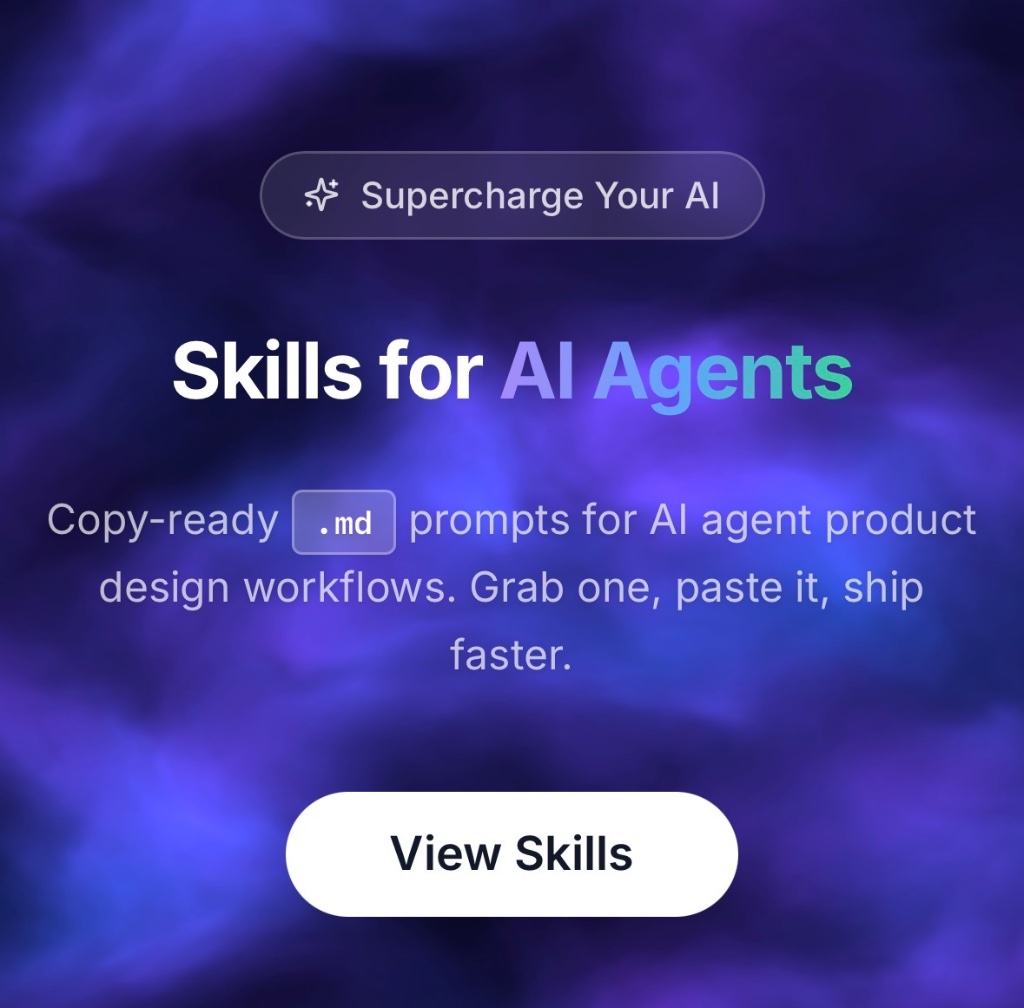
Booya-Skills.com
Copy-ready prompts and skills for AI agent product design workflows

ArCollector.ai
Get Paid Faster with Voice-AI calling for QuickBooks
How the AI Design Swarm Works
Define the product intent
Start with a clear product brief — what user problem are we solving, what's the business goal, what does success look like. This is still deeply human work.
Deploy specialized AI agents
Different agents for research, competitive analysis, UX flows, content, and component generation — each with specific context and instructions.
Orchestrate the swarm
A director agent coordinates outputs from specialized agents, assembling coherent product experiences from distributed AI work streams.
Human review + refinement
I review every output with product judgment, strategic context, and design taste that AI can't replicate. High-order creative decisions remain human.
Build with AI tools
Using Base44, Claude, and GPT to build the actual product — not prototypes, not mockups — shippable code, real products.
Ship and iterate
Products ship in days or weeks, not quarters. Iteration cycles collapse because AI handles the build layer while I focus on judgment.
AI Stack
Base44
AI DevelopmentFull-stack AI product builder. Replaces entire dev teams for product-level builds.
Claude (Anthropic)
AI Design + StrategyPrimary reasoning engine for product architecture, content, and design decisions.
GPT-4 / ChatGPT
AI GenerationRapid generation, iteration, and exploration across UX, copy, and system design.
Midjourney / DALL-E
Visual AIGenerative visual exploration, mood boarding, and asset generation at speed.
Cursor / Copilot
AI CodeAI-assisted code generation for component libraries and design system implementation.
Custom Agents
Agent SystemsBespoke AI agents built for specific design workflows — research, QA, documentation.
Claude Opus 4.8
AI Design + StrategyFrontier reasoning model for complex product architecture, deep analysis, and high-stakes design decisions.
Fable 5
AccessibilityAI-powered accessibility testing with real assistive technology users, ensuring inclusive design at scale.
Figma MCP
Design AutomationModel Context Protocol integration connecting Figma directly to AI agents for automated design-to-code workflows.
Want to build something with AI?
Whether it's a new product, an AI workflow integration, or a hybrid team model — let's talk.
Let's Talk